Dyers
Our Dyers
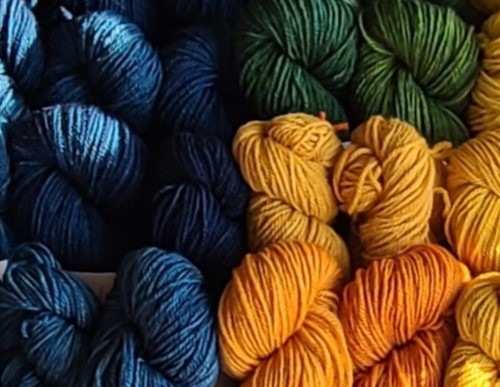
From the hands of our dedicated farmers, the fiber passes to our local dyers—and this is where another kind of magic happens. In those moments, the raw materials born from the land are transformed with color, care, and creativity. It’s here that the story deepens, as the work of many hands becomes something vibrant and uniquely our own.
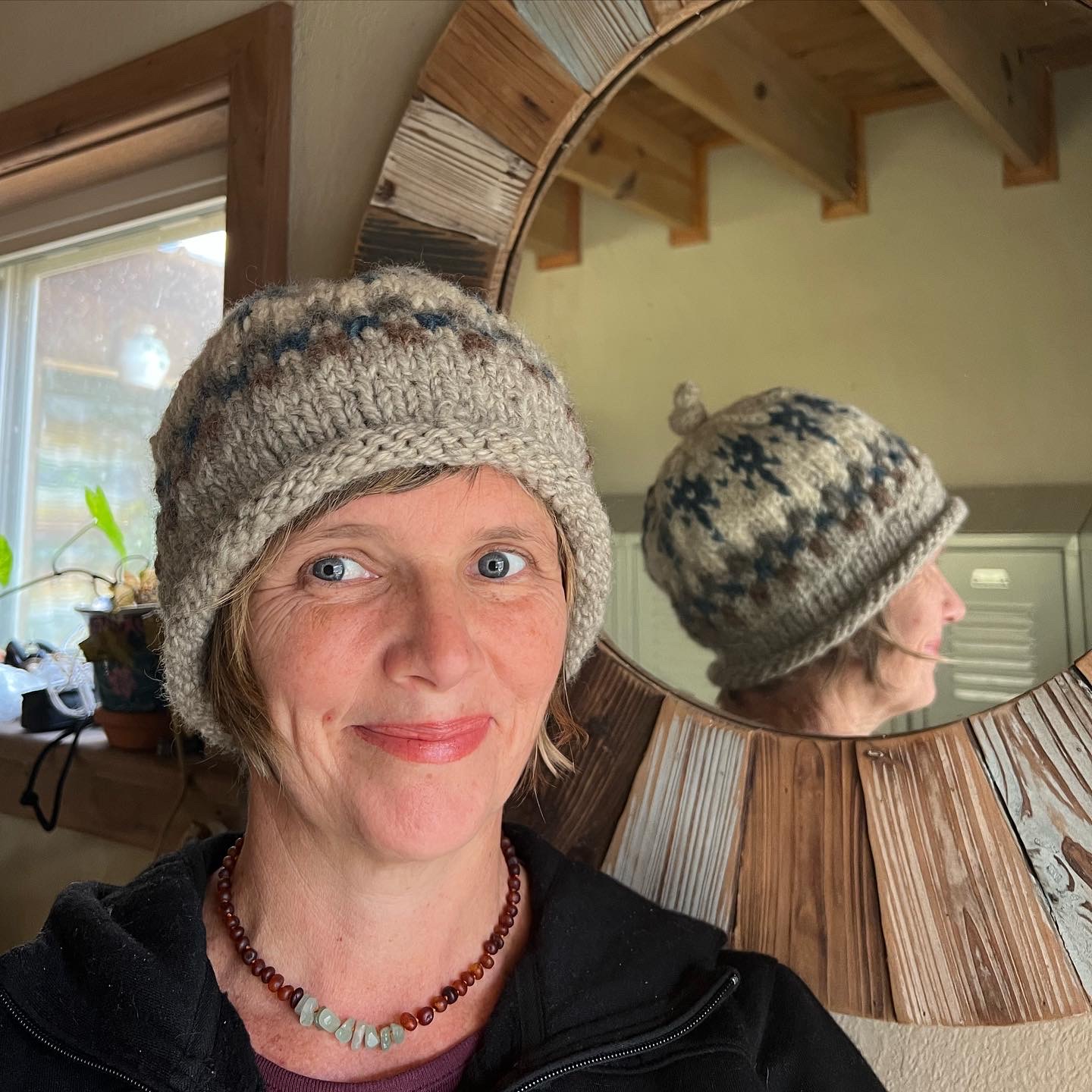
Cher Smith
Farmer, Knitter, Dyer, Fiber Artist
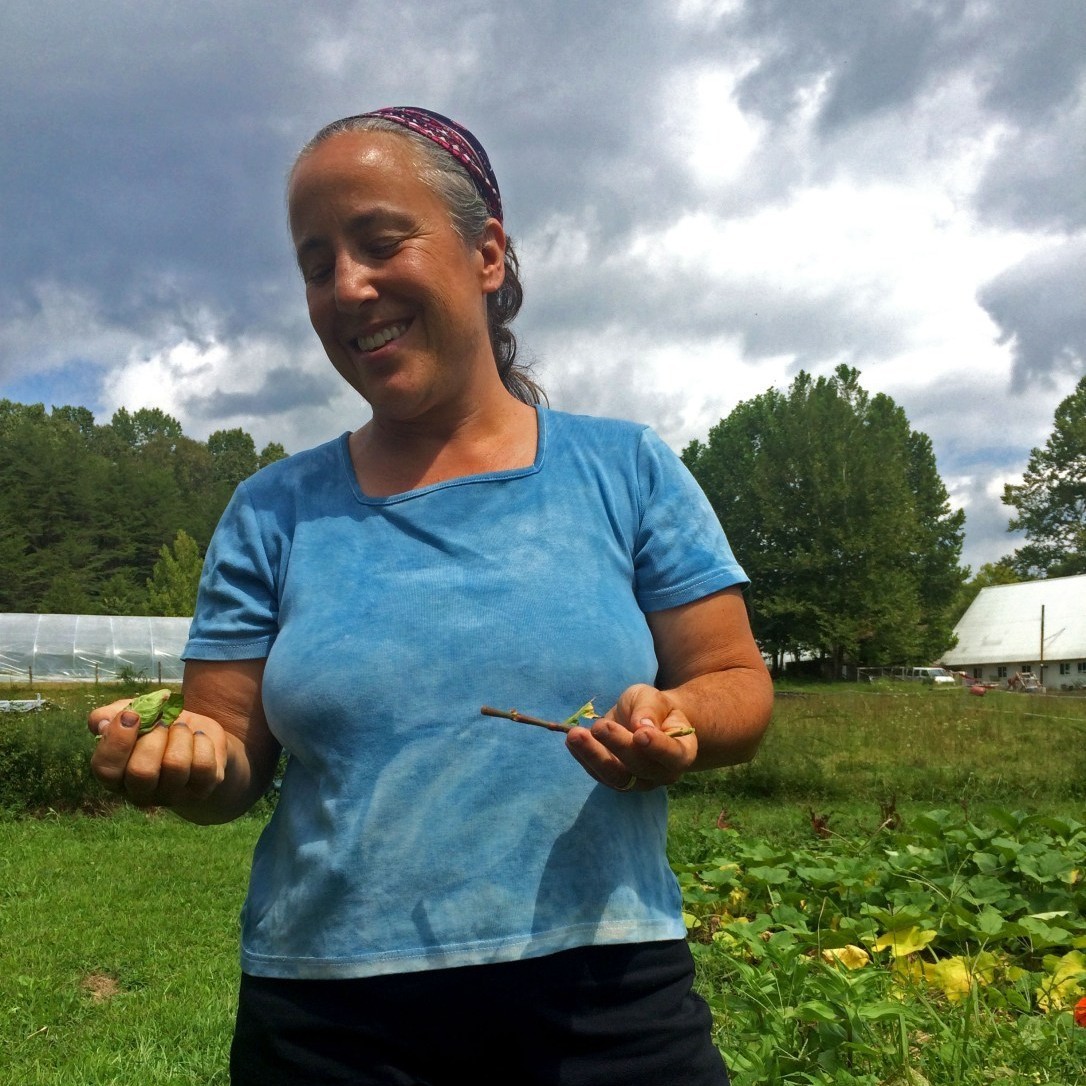
Robin Verson
Farmer, Dyer
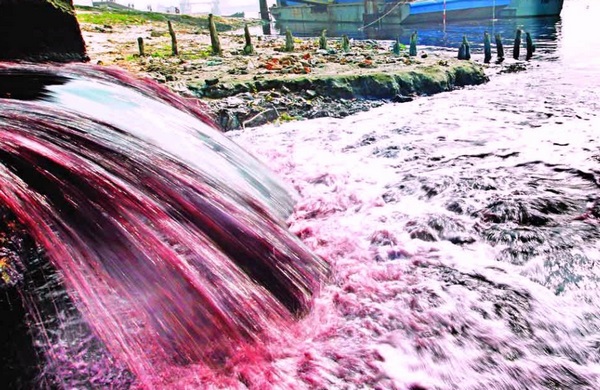
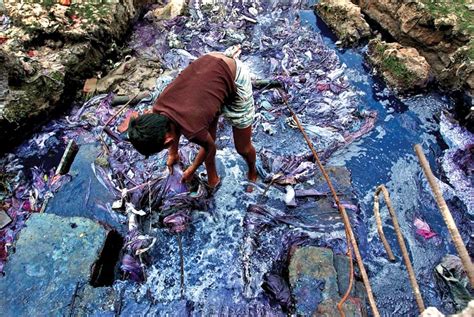
Our commitment to the environment – keeping dyes out of our waters
Chemical dyes can leach toxic substances like heavy metals and synthetic chemicals into rivers and groundwater. This pollution endangers fish, wildlife, and the people who rely on clean water, making natural dye alternatives critical for a healthy watershed.